The One Tick Through That Immediately Reverses

It is the most irritating event in the whole approach. Price reaches the top of the range, prints a fraction above it, and is back inside before the bar has finished. Whether that was a signal depends entirely on a definition, and most people discover they never wrote one at the moment it costs them a trade.
The Rule Fired, Whether You Like It or Not

If the written rule is that a trade above the range high is the trigger, then the trigger occurred. The reversal that followed is a separate fact about what happened afterwards, and it does not retroactively unmake the signal. Calling it a false signal is a description of the outcome dressed as a description of the setup.
The distinction matters because of what people do with it. A rule that fires and loses is a rule performing as designed within a distribution that includes losses. A rule that is quietly not honoured whenever the break looks unconvincing is a different rule, unwritten, applied inconsistently, and impossible to review afterwards.
What the Event Actually Describes
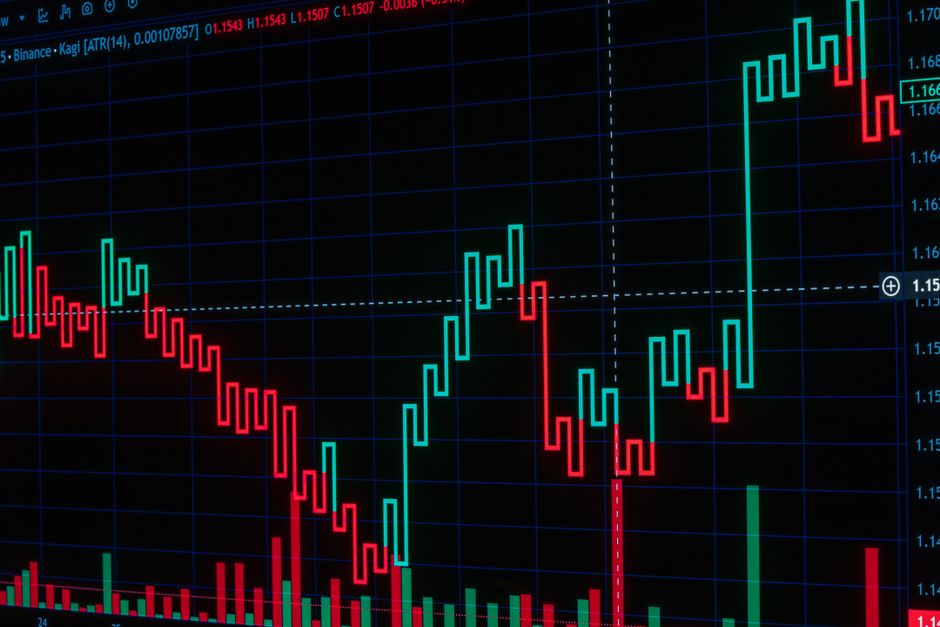
Set aside whether it was tradeable and consider what it says. Price went beyond the level, and at that price sellers were waiting in sufficient quantity to push it straight back. That is a rejection, and it is more informative than a level that was simply never reached.
A level that has been probed and defended is a stronger level afterwards than it was before. This cuts in an awkward direction for a breakout rule, because the same event that produced the losing trade also strengthened the line the trade was betting against. The second attempt at the same level later in the session is attempting something the market has already refused once.
It is worth noting that the reverse is also true. A single tick through that reverses and then, some time later, is followed by a sustained move through the same level, describes a level that was defended and then overwhelmed. That sequence carries more weight than a clean first break, though it arrives much later.
Buffers Move the Problem
The standard response is a buffer: require price to travel some defined distance beyond the level before the rule fires. This does eliminate the single tick case, by definition, and it introduces a new edge exactly where the buffer ends.
Price will now sometimes travel the buffer distance and reverse, and the event will feel identical, because it is identical in structure and only different in scale. The buffer has not removed the phenomenon. It has moved the boundary and made each occurrence more expensive, since the entry is now further from the range and the reversal has further to travel back.
A buffer expressed as a fixed number of points has a further problem. It is a different filter on a quiet day than on a volatile one, and it is a different filter on one instrument than on another. Expressing it relative to something that scales, such as the height of the range itself or recent typical movement, keeps the rule doing the same job across conditions rather than tightening and loosening at random.
Time Beyond the Level Instead of Distance
An alternative is to require duration rather than distance: price must remain beyond the level for a stated period before the rule fires. This addresses the single tick directly, since a tick through and back does not persist, and it does not push the entry price as far away as a distance buffer would on a fast move.
Its weakness is the slow grind. Price can sit a fraction beyond the level for the full period without any real commitment behind it, satisfying the condition through inertia rather than through demand. Distance filters and time filters catch different failures and neither catches both, which is why the choice between them is a choice about which kind of bad trade you would rather keep taking.
Deciding Before It Happens
The one approach that reliably fails is to leave it open and decide in the moment. In the moment, a marginal break looks convincing when you want a trade and unconvincing when you do not, and the desire is not correlated with anything useful about the market.
Whatever gets chosen, the condition should be stated in a form that can be checked against a chart afterwards without argument. Then the single tick through stops being a controversy and becomes what it is: either a signal your rule takes and sometimes loses on, or an event your rule ignores by a stated margin. Both are defensible. Only the undefined version is not.