When Price Opens Beyond the Trigger You Set

A four percent overnight move on a name that averages one percent a day is roughly four normal sessions of travel arriving in eight hours. The figures kept at orb trading signals mlstpodcast are re-derived every morning because of it, since any trading level carried over from yesterday can be a long way behind the market by the cash open. The instrument gaps, the old trigger sits well below where price is now, and the opening range that will actually matter has not been drawn yet. What happens next is a rule, not a judgement, and it should already exist.
A Carried Level Is Not the Same Level

Yesterday's high mattered because a session's worth of activity built it. After a gap that clears it by a full range width, price has already resolved that level without a fight, and the fact that an alert is still sitting there does not restore its meaning. The first response is simply to cancel it rather than to look for a way to use it.
The New Range Has to Form First
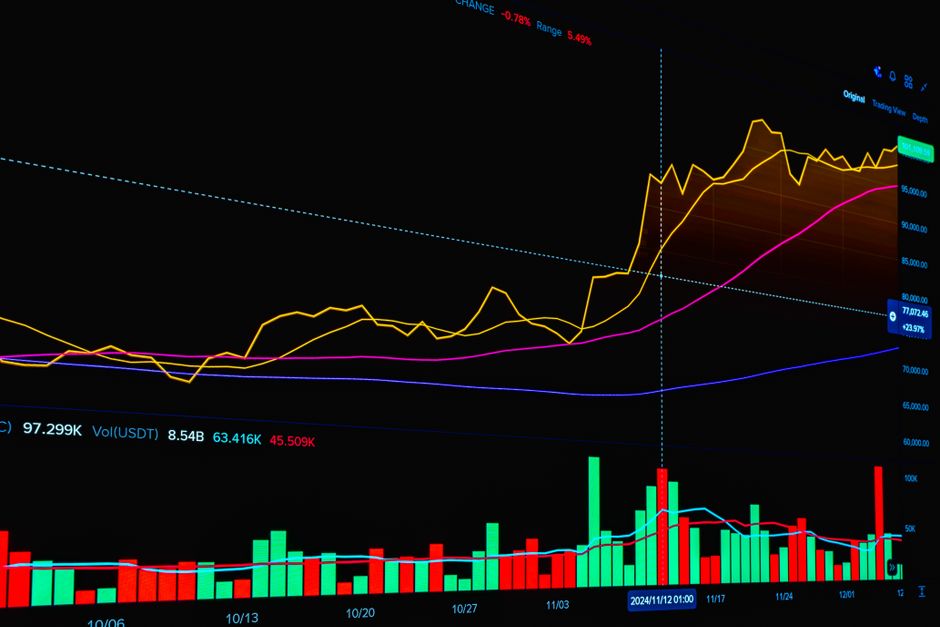
On a gap morning the useful level is the one the market is building right now. That means waiting through the first fifteen minutes with no position and letting the opening range form on top of the gap, then deriving the trigger from that. It is a slower start, and it is the difference between trading today's structure and trading a memory of yesterday's.
Gap Size Decides Whether to Trade at All
Measure the gap against the instrument's own average range rather than in points. A gap smaller than a fraction of the average is ordinary and changes little. A gap larger than a whole average range means the day's expected movement has already been spent overnight, and the remaining intraday distance to any target is compressed. That is a legitimate reason to skip the name entirely.
Standing Orders Are the Real Hazard
An alert that is out of date costs nothing. A resting stop order left from yesterday, sitting below the open on a gapped up name, becomes a market order at the bell and fills wherever the opening auction lands. The premarket routine has to include clearing working orders, and the check is a look at the order book rather than a memory of what was cancelled.
Write It Down as Three Cases
Small gap, use the plan as written. Medium gap, redraw the range after the open and derive a fresh trigger. Large gap, stand down for the session. The boundaries between the three are numbers specific to the instrument, set in advance and reviewed occasionally, and having them written removes the argument at the exact moment the market is least helpful for having it.