What a Delayed Feed Does to a Price Trigger
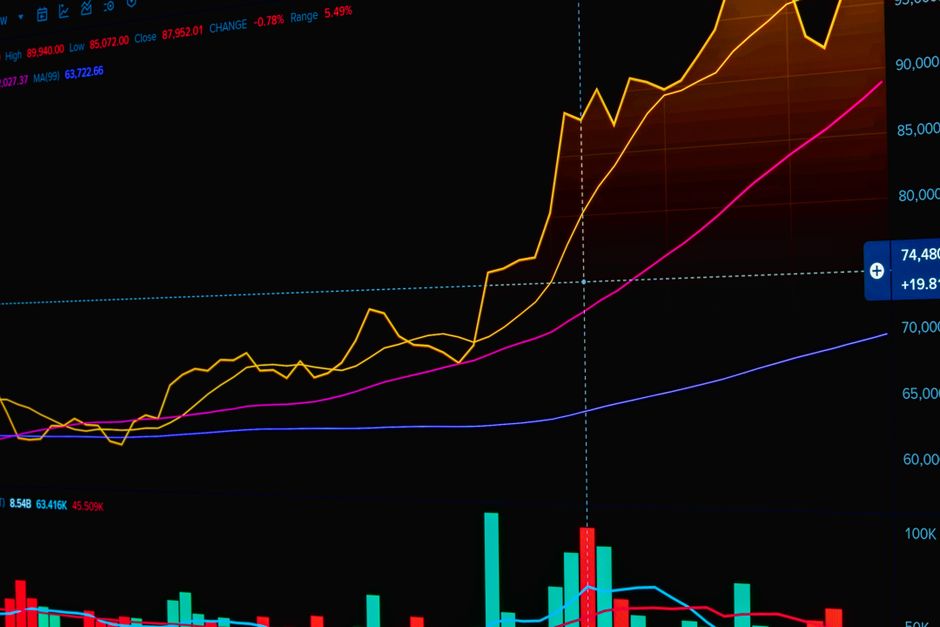
On a delayed feed, every one of these levels is a level that existed a quarter of an hour ago. The running record orb trading signals mlstpodcast holds is unambiguous about what that costs, and it is not what most people assume: the problem is not that entries arrive late, it is that the opening range itself was drawn from stale prices and the trigger derived from it describes a market that has already moved on. Free charts are the usual source, and an opening range breakout computed on one is measuring the wrong bars entirely.
The Range Is Built From the Wrong Window

A 15 minute range formed between 9:30 and 9:45 needs the prints from that window. A delayed feed hands you 9:15 to 9:30, which on most mornings is the tail of premarket rather than the open. The high and low that come out of it are real prices, just from a session that had not started, and every level derived from them is anchored to the wrong period.
Delay Is Not the Same as Latency
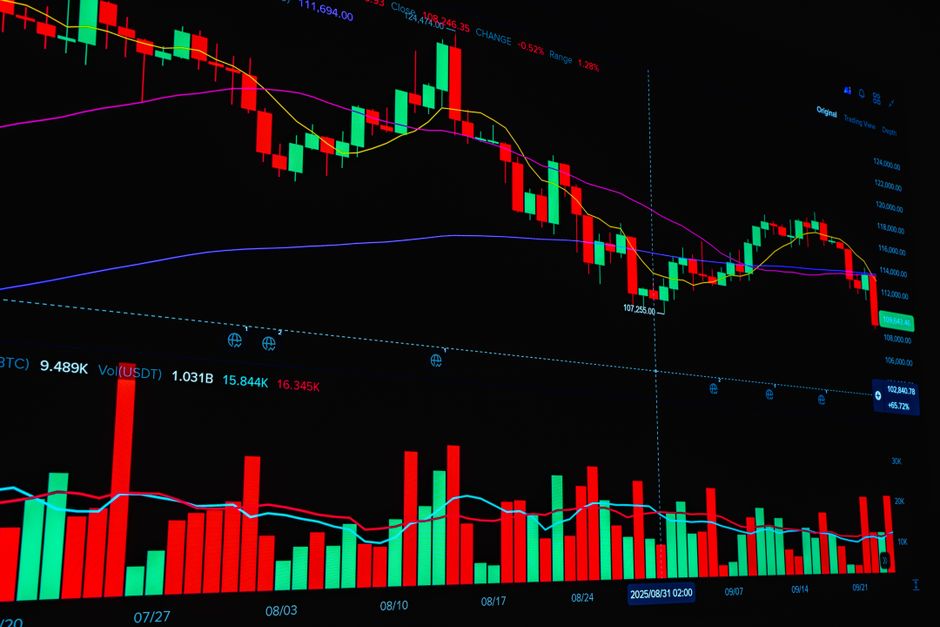
Latency is a few hundred milliseconds between the exchange and the screen and affects fills. Delay is a licensing decision that withholds the tape for a fixed interval and affects the analysis. Confusing them leads people to fix the wrong thing, buying a faster connection for a feed that would still be a quarter of an hour behind on a fibre line.
Snapshot Quotes Hide It Well
Many delayed feeds refresh a last price often enough to look live, and a quote that updates every few seconds reads as real time even when it is not. Check it directly rather than by feel: compare the timestamp on the last print against the clock, or watch the high of the day update against a known live source during regular trading hours. A feed that will not show a timestamp is answering the question.
Mixing a Live Broker With a Delayed Chart
The worst arrangement is a delayed chart feeding the analysis and a live order platform taking the trade, because the two disagree silently. The trigger is computed from the delayed high, the order fills at the live price, and the difference lands entirely in the entry. Every session the two drift apart by whatever the market did during the delay, so the error is neither constant nor predictable.
What Delayed Data Is Still Good For
It is fine for the parts of the work that are not time critical. Reviewing yesterday, measuring range widths across a watchlist, checking how the first hour behaved against the rest of the day, all of that runs perfectly well on data that arrived late. What it cannot do is define an intraday trigger, and the moment it is asked to, the number it produces is fiction.