When Long and Short Both Trigger on One Symbol
A break of the range high is supposed to settle the direction question for the session. On a great many mornings it settles nothing, because price clears the high, turns, and cuts through the low of the same opening range inside twenty minutes. Two valid signals now sit on one instrument pointing opposite ways, and the breakdown sitting on orb trading signals mlstpodcast lists the ways that gets resolved. Anyone who has not decided in advance usually takes both, and being stopped twice on the same symbol before the first hour is out turns a thin edge into a bad week.
Both Triggers Were Genuinely Valid
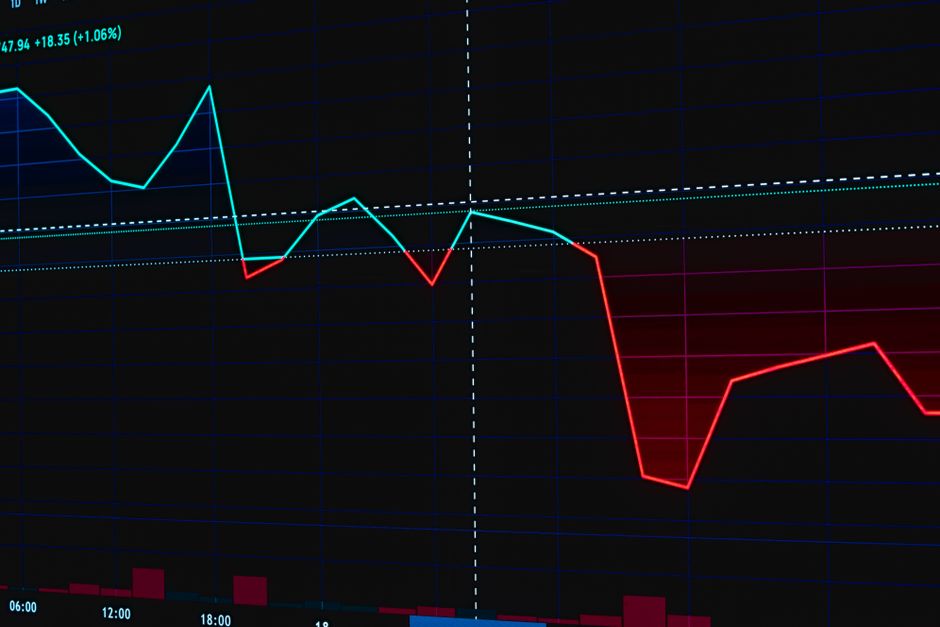
It helps to stop treating the second one as a mistake. If the rule says a close beyond the level on a 5 minute bar, and price closed beyond the low on a 5 minute bar, the short fired exactly as written. Nothing was violated. The rule simply never had anything in it about how many times per session it was allowed to speak.
The Cost of Taking the Second One
Count it in risk units rather than in dollars. Two full sized losses inside the first hour uses most of a daily loss limit before eleven, and it does so on a day the market has already shown to be two sided. The second trade is also taken with the first loss still fresh, which is the worst state in which to size anything.
Requiring the First Trade to Be Closed
The simplest resolution is a sequencing rule: no opposing signal is live until the existing position is flat and the stop has actually filled. That removes the ugly case where a reversal order goes in while the original stop is still working and the account ends up short twice. It costs nothing on the sessions where only one side ever fires.
A Reversal Filter That Is Not a Feeling
Where the second side is allowed, it needs a stricter condition than the first. Something measurable works: the opposing break has to carry volume above what formed the range, or price has to travel a stated multiple of the range width past the level, or the reversal has to come after the first fifteen minutes rather than during them. Written down, that filter can be checked. Called a strong reversal, it cannot.
Writing the Rule as a Count
Most of this collapses into one number: how many entries this symbol is allowed to give you before the closing bell. One is a defensible answer for an intraday opening range breakout. Two is defensible with the filter above. Unlimited is the default that nobody chose, and it is the one that produces the four trade morning nobody planned.
What to Log When Both Fire
Record the second signal even when it is refused. Over a quarter, the count of sessions where both sides triggered says something about the timeframe in use: a range that keeps producing both is usually too short for the instrument.