Ranking Simultaneous Signals When You Can Take One

Most people plan for the session where nothing triggers and never plan for the session where everything does. Three names clear their levels inside forty seconds, buying power covers one of them, and the choice gets made on whichever chart happened to be in front. The breakdown sitting on orb trading signals mlstpodcast lists tie-breaks in a fixed order for exactly that reason. Ranking is not a refinement of an opening range breakout system, it is part of it, and a plan that skips it has left its most consequential intraday decision undefined.
Rank on Something Measured Before the Trigger

A tie-break has to use inputs that exist before the break, or it cannot be applied in the moment. Relative volume during range formation, the width of the range against the instrument's average, the gap size, and the distance to the next structural level all qualify. Anything that requires watching how the break develops is not a tie-break, it is a delay, and by the time it resolves the entry is gone.
Range Width Against Its Own History
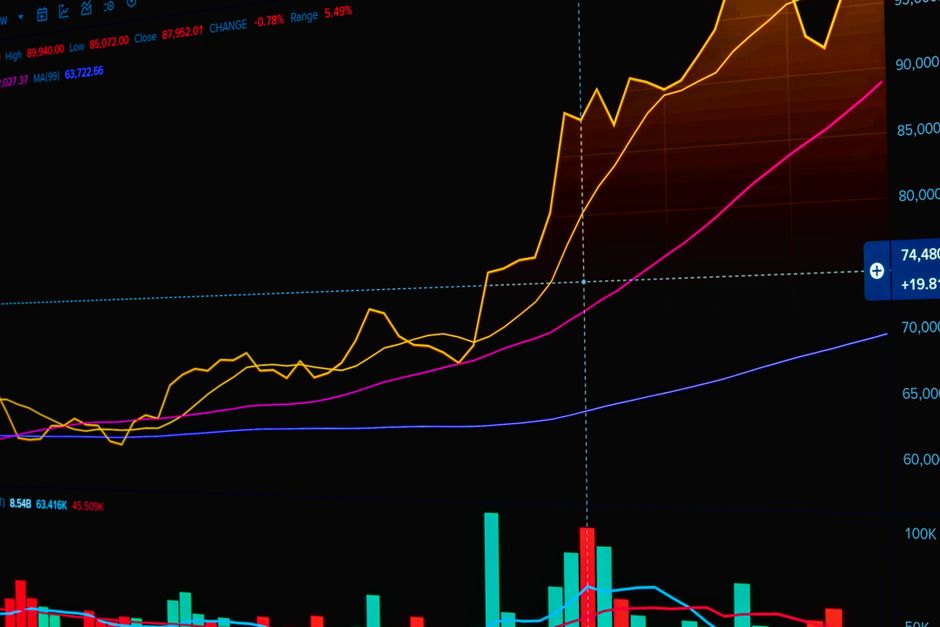
A range that formed unusually narrow relative to the same name's last twenty sessions is a different setup from a wide one, and the two are not comparable across symbols by absolute points. Express it as a ratio: this morning's 15 minute range divided by the median over the recent past. That single number is comparable across every candidate on the list and can be computed during premarket.
Volume During Formation, Not After
Relative volume measured over the first fifteen minutes says how much interest built the level. Measured after the break it says how many people are chasing, which is a different fact and arrives too late to rank on. Compute it at the close of the range, write the number beside each candidate, and leave it alone.
The List Has to Be Short Enough to Rank
Ranking eleven candidates in the ninety seconds after the range closes is not a real procedure. Four is workable, six is a stretch. The cut happens the night before or during premarket, on liquidity and on whether the name has any business being traded intraday at all. What survives that cut is the only list the tie-break ever sees.
Write the Order, Then Stop Arguing With It
The value of a ranked list is that it converts a judgement call into a lookup. Whether the ordering is optimal matters less than whether it is applied the same way twice, because a consistent ordering can be measured against results after a hundred sessions and an inconsistent one cannot be measured at all. Log the candidates that were passed over along with the one taken, with their scores, so the ranking itself becomes something the record can eventually settle.